
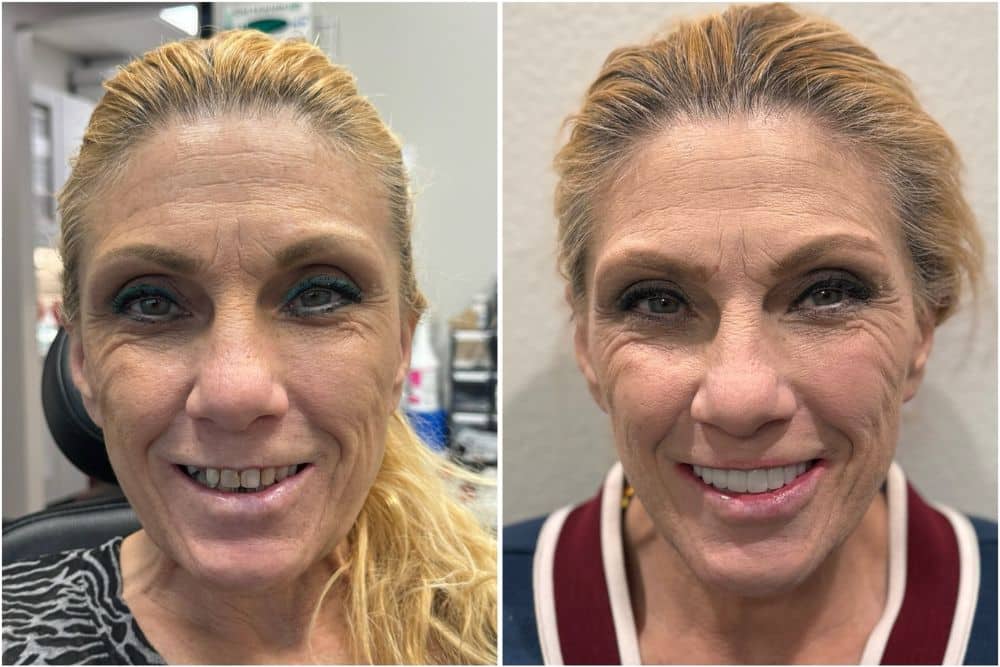
If you’ve been told you might need bone grafting before getting dental implants, you’re not alone, and it doesn’t automatically mean implants are off the table. Many people researching dental implants in Las Vegas, NV are surprised to learn just how central jawbone health is to whether an implant can succeed long-term, often more so than they initially expected when they first started looking into treatment.
It’s common to feel a little uncertain or even discouraged after hearing “bone grafting” mentioned during an initial consultation, especially if you weren’t expecting an extra step in the process. The good news is that this is a well-established part of implant dentistry, and many patients go on to receive implants successfully after this additional preparation.
This article explains why bone grafting is sometimes recommended before implant placement, what signs suggest it might be needed, and what the process generally involves, from the materials used to the healing timeline. Understanding this ahead of time can help you feel more prepared going into a consultation, ask more informed questions, and set realistic expectations for your treatment timeline.
At a Glance
- Bone grafting adds or rebuilds bone volume in areas where the jaw has thinned.
- It’s often recommended when there isn’t enough bone to securely support an implant.
- Common causes of bone loss include tooth loss, gum disease, and long-term wear of removable teeth.
- Grafting typically requires a healing period before implants can be placed.
- Not every implant patient needs bone grafting; a dental evaluation determines this.
What Is Bone Grafting and Why Is It Used?
Bone grafting is a procedure that adds bone material to an area of the jaw where natural bone has thinned or receded, creating a stronger foundation for dental implants. It’s typically recommended when the existing bone isn’t dense or thick enough to support an implant on its own.
Dental implants rely on a process called osseointegration, where the jawbone fuses with the implant post. If there isn’t enough bone volume or density, the implant may not have adequate support for long-term stability. This is why many patients working with a dental implant dentist in Las Vegas find that bone health, not just tooth loss, shapes their treatment plan from the very first consultation. For patients considering dental implants in Las Vegas, NV, bone grafting is designed to address this by rebuilding the area before or during implant placement.
Graft material can come from several sources, including the patient’s own bone, donor bone, or synthetic bone substitutes, depending on the case and the recommendation of your dental implant dentist in Las Vegas.
What Causes Bone Loss in the Jaw?
Jawbone loss most commonly occurs after tooth loss, since the bone that once supported a tooth root can begin to shrink once it’s no longer stimulated by chewing forces. This process can continue for months or years if a missing tooth isn’t replaced.
Other common causes of bone loss include:
- Long-term tooth loss: Bone naturally resorbs without the stimulation of a tooth root.
- Gum disease (periodontal disease): Infection can damage both gum tissue and underlying bone.
- Ill-fitting removable teeth: Long-term wear of removable appliances without implant support can accelerate bone loss over time.
- Trauma or injury: Damage to the jaw can affect bone structure in the area.
- Certain medical conditions: Some systemic health issues can affect bone density throughout the body.
Because these causes vary, the amount and type of bone grafting needed is different for every patient.
What Are the Signs That Bone Grafting Might Be Needed?
Signs that bone grafting may be necessary are typically identified through dental imaging rather than symptoms a patient would notice on their own. This is why a CT scan or 3D imaging is a standard part of implant planning.
During an evaluation, a dentist looks at bone height, width, and density in the specific area where an implant is planned. If the bone doesn’t meet the minimum requirements for safe, stable implant placement, grafting is generally recommended before moving forward.
Some patients may also notice visual signs of jawbone changes, such as a sunken appearance around the mouth after long-term tooth loss, though imaging is still required to confirm the extent of bone loss.
What Does the Bone Grafting Process Generally Involve?
The bone grafting process typically involves placing graft material at the site of bone loss, followed by a healing period during which new bone integrates with the graft. In some cases, grafting can be done at the same time as dental implant placement; in others, it’s done as a separate procedure beforehand.
The specific approach depends on how much bone is needed and where it’s located. Smaller grafts may heal in a few months, while larger reconstructions can take longer before an implant is ready to be placed.
Your dentist will determine the right approach based on imaging, the extent of bone loss, and your overall treatment goals.
Who Is Likely to Need Bone Grafting Before Dental Implants in Las Vegas, NV?
Patients who have experienced long-term tooth loss, worn removable teeth for an extended period, or had gum disease are more likely to need bone grafting before receiving dental implants in Las Vegas, NV. Age alone doesn’t determine the need for grafting, bone health is the deciding factor.
Patients who may be more likely to need grafting include those who:
- Have gone years without replacing a missing tooth
- Have a history of moderate to advanced gum disease
- Wear full or partial removable teeth long-term
- Experienced trauma or infection in the jaw area
The only way to know for certain is through a clinical evaluation that includes imaging of the jawbone.
What Should You Expect During Recovery from Bone Grafting?
Recovery from bone grafting typically involves some swelling and mild discomfort in the days following the procedure, similar to other minor oral surgeries. Most patients are advised to follow a soft-food diet during the initial healing period.
Full healing time varies depending on the size of the graft and the patient’s individual healing response, ranging from a few months to longer for more extensive grafting. Your dentist will schedule follow-up visits to monitor healing before moving forward with implant placement.
Following your dentist’s aftercare instructions closely can support smoother healing and better outcomes for the eventual implant.
Frequently Asked Questions
Does everyone need bone grafting before getting dental implants?
No. Bone grafting is only recommended when imaging shows there isn’t enough bone volume or density to safely support an implant.
How long does healing take after bone grafting?
Healing time varies by patient and the extent of the graft, but it generally ranges from a few months for smaller grafts to longer for more extensive bone rebuilding.
Can bone grafting be done at the same time as implant placement?
In some cases, yes. Whether this is possible depends on the amount of bone needed and your dentist’s assessment of your specific situation.
What happens if I need an implant but don’t want bone grafting?
Your dentist can discuss alternative options based on your bone structure and goals, though the best approach depends on your individual evaluation and imaging results.
Final Thoughts
Bone grafting plays an important role in preparing the jaw for a stable, long-term implant foundation, especially for patients who have experienced tooth loss, gum disease, or long-term wear of removable teeth. While not every implant patient needs this step, imaging and a thorough evaluation are the only reliable ways to know for sure.
If you’re exploring dental implants in Las Vegas, NV and want to understand whether bone grafting might be part of your treatment plan, the team at All Out Dental can walk you through a personalized evaluation and explain your options in detail.