
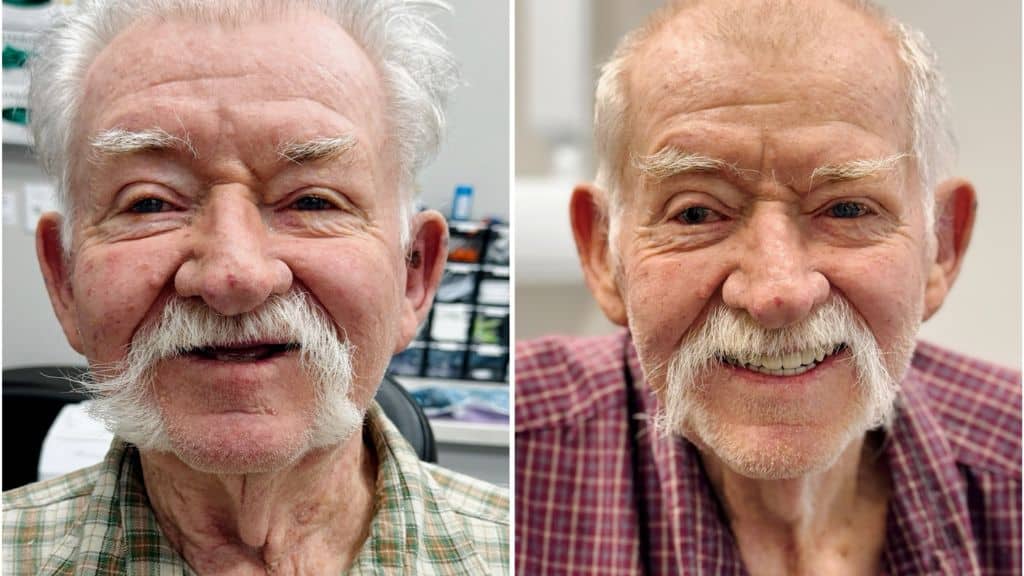
If you’ve been exploring tooth replacement options with a dentist in Las Vegas, you may have heard about 3 on 6™ dental implants, a modern solution designed to restore multiple missing teeth with fewer implants.
While the procedure itself is designed to help restore your smile and oral function, understanding the healing process for 3 on 6™ dental implants helps set realistic expectations and ensures a smoother recovery. Recovery is a crucial phase that directly impacts the long-term success of your dental restoration.
From the initial post-operative period to the final integration with your jawbone, each stage plays an important role. In this guide, we’ll walk you through what happens during healing, how long it typically takes, and what you can do to support optimal recovery.
What Are 3 on 6™ Dental Implants?
Before diving into the healing timeline, it helps to understand what 3 on 6™ dental implants are. This approach uses six strategically placed titanium posts to support three separate bridge prosthetics. The term “3 on 6™” refers to three bridges anchored by six implants, typically two per section.
As any dentist in Las Vegas would explain, this design offers strong support while reducing the number of implants required. Unlike traditional dentures, these implants fuse with the jawbone, helping maintain bone density and are designed to support a stable and comfortable fit.
How Long Does It Take to Heal from 3 on 6™ Dental Implants?
The complete healing process for 3 on 6™ dental implants typically ranges from three to six months, though individual experiences vary. This timeline reflects the biological process called osseointegration when the titanium implants fuse with your jawbone.
During the first two weeks, your focus will be on managing initial post-surgical healing. Swelling, mild discomfort, and tenderness around the implant sites are normal during this period. Most patients can return to work within a few days, especially if their job doesn’t require strenuous physical activity.
The next eight to twelve weeks involve deeper healing beneath the gum line. While the surface tissue may appear healed, your bone is actively growing around the implant posts. This phase requires patience, as rushing to load the implants with permanent bridges too soon could compromise their stability.
After three to six months, individual healing timelines vary. Your dentist will evaluate osseointegration through clinical examination and imaging before attaching the permanent bridges.
What Happens During the First Week After Surgery?
The first week sets the tone for your entire recovery. Immediately after the procedure, you may experience swelling, minor bleeding, and discomfort around the implant sites. These symptoms are expected responses as your body begins the healing process.
Finding Relief from a Dentist in Las Vegas
Working with a dentist ensures you receive proper post-operative guidance tailored to your specific case. Your dental team will provide detailed instructions on pain management, which typically includes over-the-counter medications or prescribed pain relievers for the first few days.
Ice packs applied to the outside of your face can help reduce swelling during the initial 48 hours. Use them in 20-minute intervals, allowing your skin to rest between applications. After the second day, some patients find warm compresses more soothing.
Diet and Activity Modifications
Your diet will need adjustment during the first week. Stick to soft foods like yogurt, smoothies, mashed potatoes, and scrambled eggs. Avoid anything crunchy, chewy, or extremely hot, as these can irritate the surgical sites.
Rest is equally important. While you don’t need complete bed rest, avoiding strenuous exercise for the first few days helps prevent increased bleeding or swelling. though individual recovery varies and you should follow your provider’s guidance.
How Do You Care for Your Implants During Healing?
Proper oral hygiene during the healing phase protects your investment and promotes faster recovery. However, the approach differs from your regular dental routine.
For the first 24 hours, avoid rinsing your mouth vigorously or touching the surgical sites with your tongue or fingers. After the first day, gentle saltwater rinses made with half a teaspoon of salt in warm water can help keep the area clean and reduce bacteria.
Brushing requires extra care. Use a soft-bristled toothbrush and avoid direct contact with the implant sites during the first week. Clean your other teeth as normal, being mindful of the healing areas. As healing progresses, your dentist will guide you on when to begin gently cleaning around the implants.
Your dental team may prescribe an antimicrobial mouth rinse to use during the initial healing phase. Follow the instructions precisely, as overuse can sometimes delay healing or cause tissue irritation.
Smoking presents serious risks during implant healing. Tobacco use restricts blood flow to the gums and bone, significantly increasing the risk of implant failure. If you smoke, stopping or significantly reducing consumption during the healing period greatly improves your chances of success.
What Are the Signs of Proper Healing vs. Complications?
Knowing what’s normal helps you identify potential problems early. During the first few weeks, mild discomfort that gradually decreases is expected. The surgical sites may feel tender when touched, but this sensation should steadily improve.
Light bleeding or oozing for the first day or two is normal. You might notice some bruising around your jaw or cheeks, which typically fades within a week. Slight swelling that peaks around day three before subsiding also falls within normal healing patterns.
Watch for signs that warrant contacting your dental team. Severe pain that worsens after the first few days could indicate an issue. Persistent bleeding beyond the first 24 hours, fever above 101°F, or pus around the implant sites may signal infection.
Excessive swelling that continues growing after day three, or implants that feel loose or mobile, require immediate professional attention. while complications are not typical when care instructions are followed, individual outcomes may vary, early intervention makes a significant difference in outcomes.
Your dental team will schedule follow-up appointments to monitor your progress. These visits allow them to check healing, remove sutures if needed, and address any concerns. Attending all scheduled appointments helps ensure problems are caught and resolved quickly.
When Can You Resume Normal Eating and Activities?
Returning to your regular routine happens gradually after implant placement. By week two, many patients can expand their diet to include more variety, though extremely hard or sticky foods should still be avoided.
For those undergoing 3 on 6™ Dental Implants in Las Vegas, soft foods like tender chicken, cooked vegetables, and pasta are may be suitable as your comfort level improves.
A full return to your normal diet usually occurs after complete integration, around three to six months. Light exercise is encouraged early on, while more intense activities should wait until your dentist confirms proper healing and stability.
Frequently Asked Questions
Is the Healing Process Painful?
Most patients experience mild to moderate discomfort after 3 on 6™ implant surgery. The first few days feel similar to multiple tooth extractions, but over-the-counter pain relief usually helps. By the end of the first week, discomfort typically reduces significantly. Severe pain is rare and should be checked by your dentist.
Can I Work During the Healing Process?
Many people return to work within two to three days, especially for desk jobs. If your job involves physical activity, you may need five to seven days of rest or modified duties. Taking it easy during the first few days helps support proper healing.
What Happens If an Implant Fails to Integrate?
Implant failure is uncommon but can happen if osseointegration doesn’t occur properly. In such cases, the dental implant is removed, and the area is allowed to heal before trying again. Good oral hygiene and following care instructions support better outcomes, though individual results may vary.
How Often Do I Need Dental Checkups After Healing?
After healing, regular dental visits every six months are recommended. These checkups help monitor implant health, maintain gum condition, and detect any issues early, ensuring long-term success of your implants.
Conclusion
The healing process for 3 on 6™ dental implants requires patience and commitment, but the result may support restored oral function and improved daily comfort.
By understanding each stage, following post-operative instructions, and staying in close contact with your dental team, you improve your chances of success.
If you are considering this treatment or have questions about recovery, the team at All Out Dental can guide you. Schedule a consultation to explore your options and create a personalized plan tailored to your needs today carefully.